Queen’s Park Report November 2019

Toronto at sunset

The Province, through Bill 108, More Homes, More Choice Act, 2019, introduced sweeping changes across 13 statutes, including the Planning Act and the Local Planning Appeal Tribunal Act, 2017, with the stated intention of cutting red tape, reducing costs, and increasing the supply of housing in Ontario. Although Bill 108 was passed on June 6, 2019, the vast majority of the amendments are presently not yet in effect.

On September 3, 2019, the Province proclaimed into force key amendments to the Planning Act and the Local Planning Appeal Tribunal Act, 2017 that in essence return the development process and the planning appeals regime back to where they were before the reforms introduced by the previous Government. These changes include:
Queen’s Park Report – October 2019

The Provincial Policy Statement (PPS) is a consolidated statement of the government’s policies on land use planning. It applies province-wide and provides provincial policy direction on key land use planning issues that affect communities. The government held a 90 day consultation period which closed October 21 2019, during which they sought feedback on proposed changes to the Provincial Policy Statement. The Federation of Urban Neighbourhoods submitted comments as follows:

Greater Toronto Area West Corridor Project (Highway 413)

The Federation of Urban Neighbourhoods Ontario (FUN) deplores the Ontario government’s recent decision to reactivate the Environmental Assessment (EA) for the Greater Toronto Area West Highway Corridor, the study area covering portions of York, Peel and Halton regions, which was suspended in 2015. This project if given the go-ahead, would cost billions of dollars, pave over prime farmland and part of the Greenbelt, increase water pollution and raise emissions that cause climate change.

2019 Annual General Meeting Notice

Saturday, May 25, 2019, 2 to 4 p.m.
Kensington Apartments
21 Dale Avenue
6th Floor Board Room
Toronto, Ontario M4W 1K3

AGENDA
Welcome
Approval of Minutes of AGM held October 27, 2018
President’s Report Treasurer’s Report Budget for 2019/2020
Ratification of Decisions taken by Executive Committee since last AGM
Appointment of an auditor for 2019
Confirmation of Membership Dues
Election of Officers and Executive Committee for 2019/2020

Local Planning Appeal Support Centre Has Been Closed

The Ford government is closing a provincial agency that gives legal assistance to residents battling development changes in their local municipality.

The Local Planning Appeal Support Centre was created just last year as part of the Wynne government’s reforms to the former Ontario Municipal Board (OMB), a body long criticized for favouring developers in its decisions about zoning.

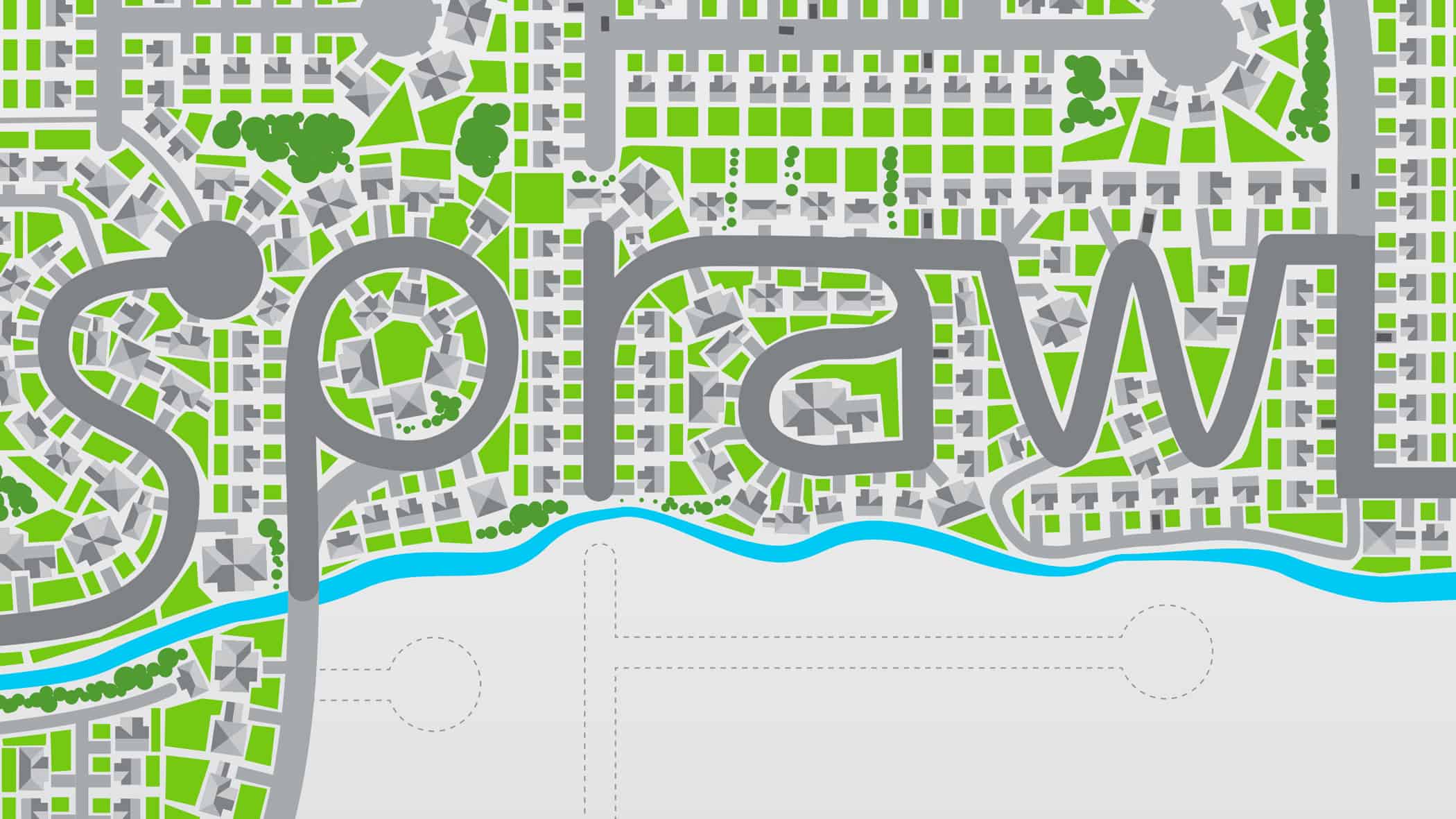
The High Costs of Sprawl

Sprawl report

The Greater Golden Horseshoe (GGH), Canada’s largest urban region, will undergo a profound change as it grows to accommodate an anticipated 4.4 million new residents by 2041, making it home to nearly 13.5 million people.

The decisions we make about how to accommodate this growth will determine what types of communities we live in, how much time we spend stuck in traffic, the quality of the air we breathe and whether our farmland and forests continue to provide us with food and habitat for our unique wildlife. There’s no question that new housing will be needed. The question is what form it will take.

Housing Supply Consultation

New housing development

The Housing Supply Consultation document appears to start from the premise, one frequently expressed by the private sector, that the housing supply issues may largely be blamed on government “red tape”, and difficulties in delivering housing as being snarled in delays and confusion. If you view the amount of development activity under way in Toronto, it is incomprehensible to state that our current progress is “too slow”. Thousands of units are currently being held up due to the LPAT transition date delay. It’s even more incomprehensible when you factor in the lack of public investment in infrastructure, transportation, schooling, community services, etc. It is utterly ridiculous to attempt to “reduce red tape” without addressing the need to increase investment in public infrastructure.

Cancellation of the Local Planning Appeal Support Centre

Nobleton development

Less than one year into its operation, the Province has announced that the Local Planning Appeal Support Centre (LPASC) is being shut.

LPASC was launched in April 2018 to help people understand and navigate the land use planning and appeal process in Ontario. The LPASC Act, 2017 mandated the establishment and administration of a cost-effective and efficient system for providing support services, and to establish criteria for determining the eligibility of persons to receive the support. The LPASC has until June 30, 2019 to wind down the business. Effective immediately, LPASC will no longer be accepting new requests for professional services from the public.

The Federation of Urban Neighbourhoods (Ontario) has sent the following letter to the Ontario Government protesting this action.

Queens Park Report – February 2019

Land use planning primer

If you or members of your organization are looking to understand how land use planning works in Ontario, the following may help. The City of Ottawa has put together a series of classes covering the basics (called Primer I and II) and specific topics, such as development charges.

While these courses were developed with Ottawa in mind, most of the content is universal. You can use the material as is, or approach your Planning Department to create classes tailored to your municipality using the Ottawa material as a base.

Urban planning primer

There is a strong provincial direction to limit urban sprawl, especially in the greater GTA, or any urban area surrounded by agricultural areas.

This forces urban centres to comply with the expectations of the Growth Plan 2017, including the determination of the designated targets for intensification and density within urban boundaries. In other words, neighbourhoods as we know them may be stable, but not static. We are seeing an increase in the number of minor variance applications.

The urban planning process can be daunting. It uses language that requires interpretation; it can involve multiple levels of review, beginning with the municipal Committee of Adjustment and possibly proceeding to a local appeal body (The Toronto Local Appeal Body for the City of Toronto and the Local Planning Appeal Committee outside of Toronto).