Transit over Traffic

Green and white commuter train on tracks surrounded by tall buildings

Environmental Defence Report – Highlights

Ontario’s proposed highway projects (Highway 413, the Bradford Bypass, and the 401 Tunnel) are estimated to cost taxpayers $80 billion. These highways will do nothing to ease congestion, which is already costing Ontarians $45 billion per year. Instead they will worsen pollution, gridlock, and cost of living. We have found that if this money was spent on transit instead, we could move double the amount of people per hour. $80 billion could build enough light rail to connect Toronto to Sudbury!

Inclusionary Zoning to pause implementation in three municipalities

map of transit stations in Toronto with yellow denoting stations subject to inclusionary zoning

The Federation of Urban Neighbourhoods (Ontario) strongly objects to the Ontario Government proposal to “pause” a policy that would have forced developers to include “affordable” units in major housing projects near a subset of transit stations (Protected Major Transit Areas – PMTSAs) in Toronto, Kitchener and Mississauga.

2025 in Review: Ontario’s environmental framework butchered by the Ford government

Creek on calm sunny fall day with marsh and trees in background.

“Exploitative,” Caledon resident and artist Andie Trépanier said.

“Criminal,” Toronto resident Sean Killackey said.

“Incompetence,” Brampton resident David Laing said.

“Destructive,” Toronto resident Corbin Sparks said.

These were some of the words Ontarians used when The Pointer asked them to describe, in a single word, how the Doug Ford government treated Ontario’s environmental framework in 2025.

Caledon residents furious after FOI documents uncover gaps in Town record-keeping around opposition to mega-blasting quarry proposal

Forks of the Credit - Caledon: forested hills and grass and shrubs in valley in foreground

Caledon resident Tony Sevelka’s days turned into weeks, weeks turned into months and now years since he started digging into the details of a proposed blasting mega-quarry steps away from his home. His quest led him to file a freedom of information request this summer, seeking access to all public objections to the contentious project. Instead, what he received revealed a systemic failure.

FUN responds to Ontario’s proposal to consolidate conservation authorities

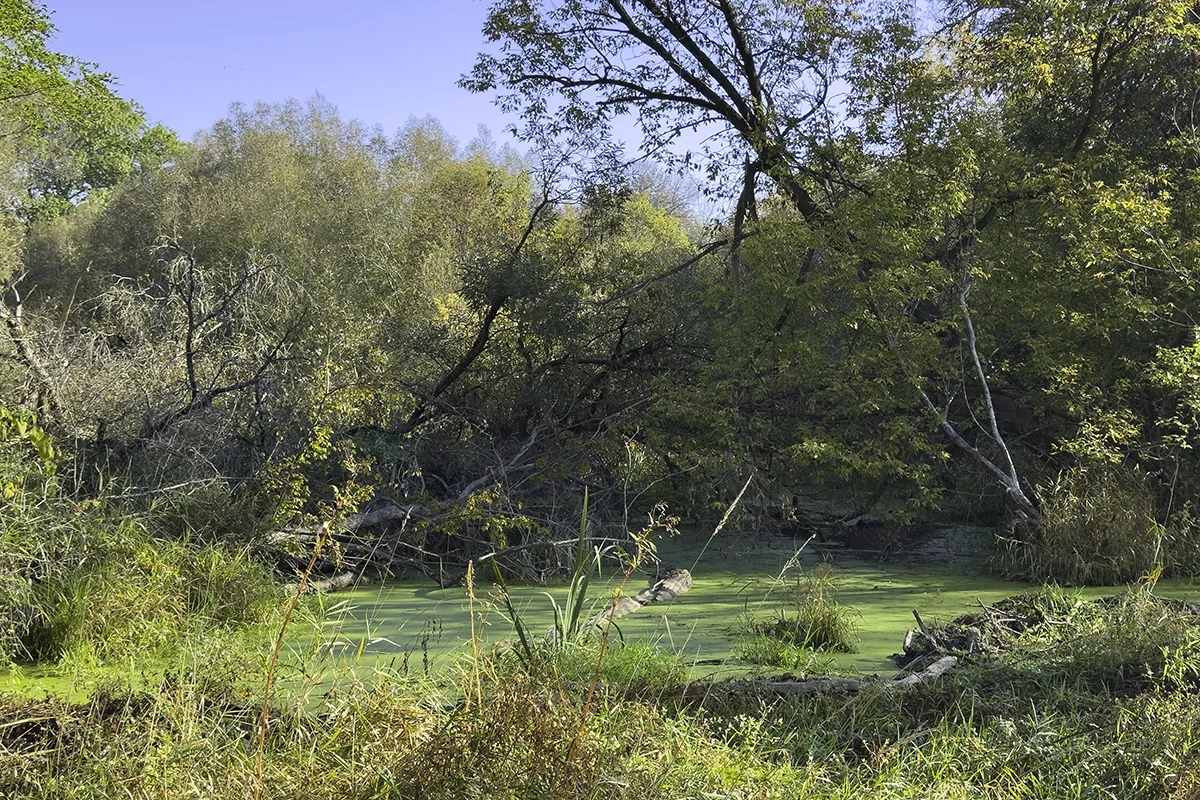
Pond with duckweed, surrounded by trees

The Federation of Urban Neighbourhoods (Ontario), on behalf of urban communities across the Province, urges the Ontario Government to pause making the rapid, drastic, costly, and irreparable changes to the structure of Conservation Authorities as contained in this policy proposal; rather we ask that the Province establish an independent public process to consider a future course for the CAs, with full engagement with conservation authorities, municipalities, other stakeholders, and the public.

Provincial overreach

Signpost with gray cloudy sky and hills in background

Toronto, along with municipalities across Ontario, has suffered an avalanche of provincial laws, regulations, and policies affecting planning and development, all without prior consultation or engagement with the City of Toronto and its residents. As a result, residents are largely unaware both of the changes, and their impacts, and of how the City has responded to them.

We recommend that the City work with and share its communication materials with other municipalities, and encourage them to communicate these changes and their impacts to their residents.

FUN submission: Consultation on Proposed Special Economic Zones Criteria

Sunrise over lake with forest in background and wetland in foreground

This is to express our comments and concerns on the above noted proposal to implement the part of Bill 5 focusing on Special Economic Zones Criteria. We continue to support respect for the rule of law, particularly with respect to Indigenous sovereignty which requires free, prior, and informed consent, and the critical importance of protecting biodiversity and environmental rights.

The proposed regulatory criteria for Special Economic Zones (SEZ) rely on “Minister’s opinion”, substituting subjectivity for objective evidence, and lacking a transparent process for assessing health, environmental, social, and economic consequences of implementing a project proposal.

Ontario is heading down a dangerous road with special economic zones

Peat bog and waterways from the air

From Mexico to China, global examples of areas where laws are lifted in the name of economic development have seen people and the environment suffer — but the Ford government is still pressing ahead with Bill 5.

With Ontario’s contentious Bill 5 enacted, special economic zones could be coming to Canada for the first time. Touted by Premier Doug Ford as a sure-fire way to “unleash” the economy, the bill has sparked growing public resistance over its implications for Indigenous Rights, the environment, labour standards and democratic accountability. The global track record of special economic zones suggests these fears are well-founded.

Halton Region shutting down heritage division, getting rid of 30,000-item historical collection

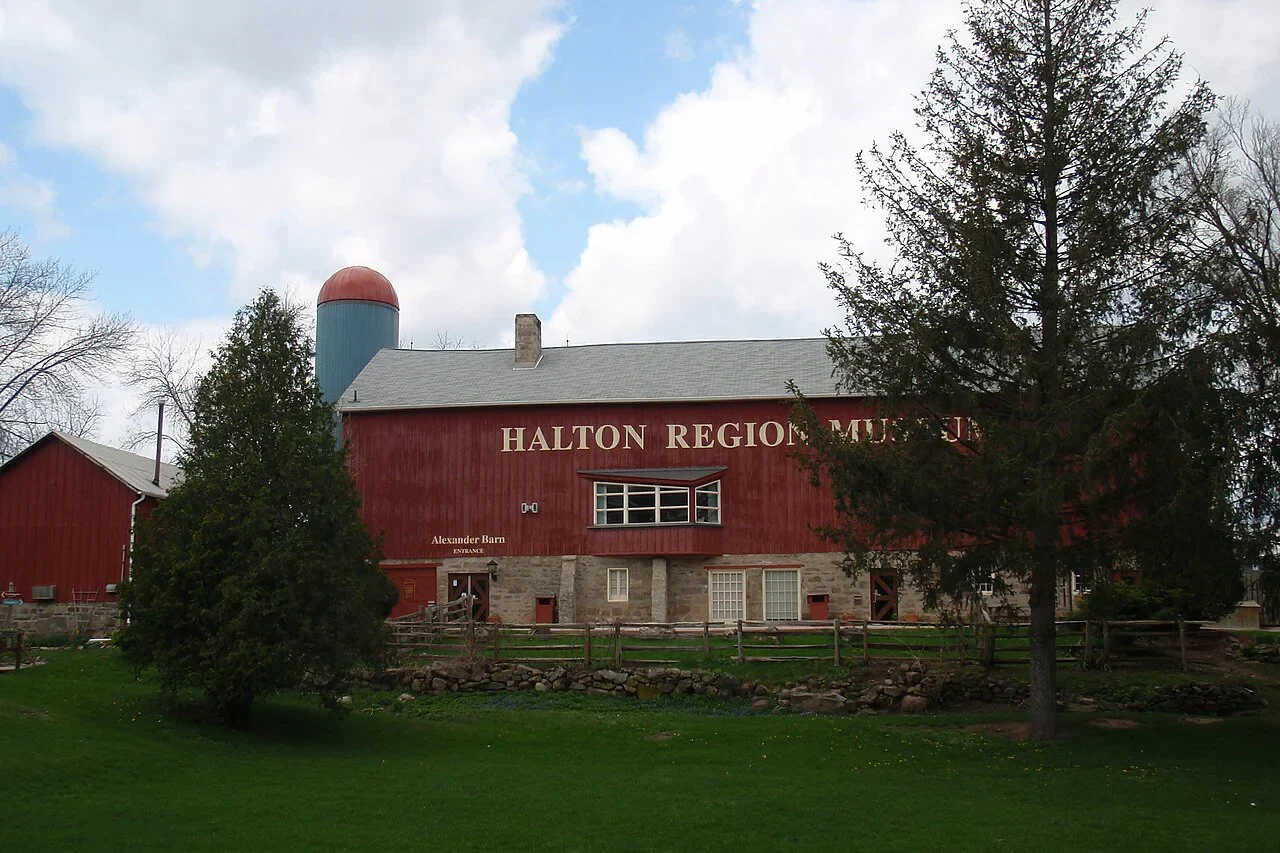
Red barn on green lawn with large trees - sign on barn says "Halton Region Museum"

This is to express the strong objection and concern of the Federation of Urban Neighbourhoods (Ontario) regarding the Region of Halton’s recent decision to dismantle the Region’s artifact collection, representing both the loss of a coherent regional heritage collection, and potentially the breaking of a public trust commitment to care for an object, which was established when it was accessioned.

We also object to the manner in which the decision was made – in closed session without public input. We request that you urgently reconsider the Region’s decision.