Bill 109 – More Homes for Everyone Act

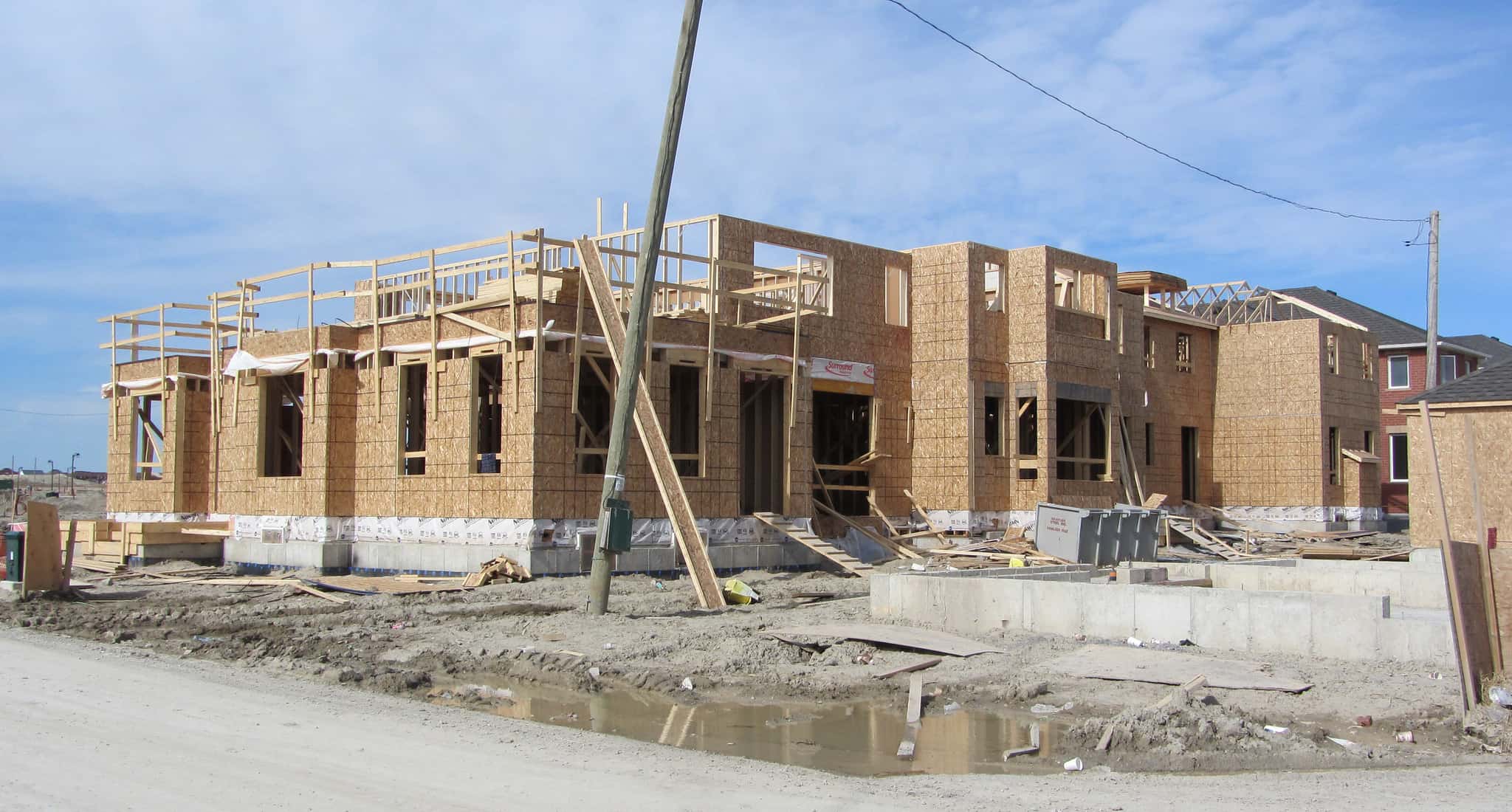
House construction - Markham

The Federation of Urban Neighbourhoods (Ontario) is an umbrella group of community associations throughout Ontario. As such we maintain a close interest in the changes to provincial planning legislation introduced by the Government. The latest changes amount to another massive overhaul of the planning process and a new set of directives focussed on supply, rather than demand for homes, but in addition, reducing the role of duly elected municipal councils, and attacking residents who devote their time and energy to contribute to their communities’ development.

The Government’s policy changes, including moving forward with Highway 413, and making municipalities designate more farmland for development, have favoured companies looking to build low-density sprawl outside Toronto.

Federation of Citizens Associations Comments on Bill 109

FCA Concerns regarding Bill 109 – More Homes for Everybody Act, 2022

The Federation of Citizens Associations (FCA) of Ottawa represents 70 community groups in the City of Ottawa. Our members are actively involved in many of the City of Ottawa’s public consultations on planning issues – most recently regarding the development of the City of Ottawa’s new Official Plan. As well, we have followed the progress of the Ontario Task Force on Housing Affordability and provided comments on the Task Force recommendations to the Minister of Municipal Affairs & Housing. We now find ourselves responding to Bill 109 – the More Homes for Everybody Act, 2022, which is the government’s response to the Task Force’s recommendations. We wish to bring to your attention 3 major concerns regarding this proposed legislation.

Underwhelming Greenbelt expansion proposal from Province

Greenbelt stream

“This announcement offers no new protection for the lands that need it and ignores the need to expand the Greenbelt in key areas,” said Tim Gray from Environmental Defence. “If this government was serious about Greenbelt protection, it would have added lands threatened by sprawl development. And it would have announced a stop to its plans to build the completely unnecessary and expensive Highway 413 and the Bradford Bypass which will go right through the Greenbelt.”

Tim Gray, Environmental Defence

On March 24, 2022, the Ministry of Municipal Affairs released a Greenbelt Expansion proposal plan. Following public consultation to expand the Greenbelt to shield more green space from being developed, the province is proposing the addition of 13 urban river valleys to the Greenbelt, a horseshoe-shaped swath of protected farmlands, wetlands and watersheds around Toronto.

Ontario raises foreign-buyers tax on home purchases to 20 percent

House for sale - Oshawa

The Ontario government has made changes effective March 30, 2022, to the non-resident speculation tax, as part of the action plan on housing. The intent is to increase supply for Ontario residents and discourage foreign speculators looking to turn a quick profit.

  • The tax for foreign homebuyers has been increased to 20 percent. 
  • A loophole has been closed that allowed foreign students and workers to get a tax rebate on real estate purchases.
  • Rebates and other exemptions will still be available for students and workers who become permanent residents of Canada.
  • The tax has been expanded to cover all residential properties across the province.

413 will facilitate massive, destructive sprawl

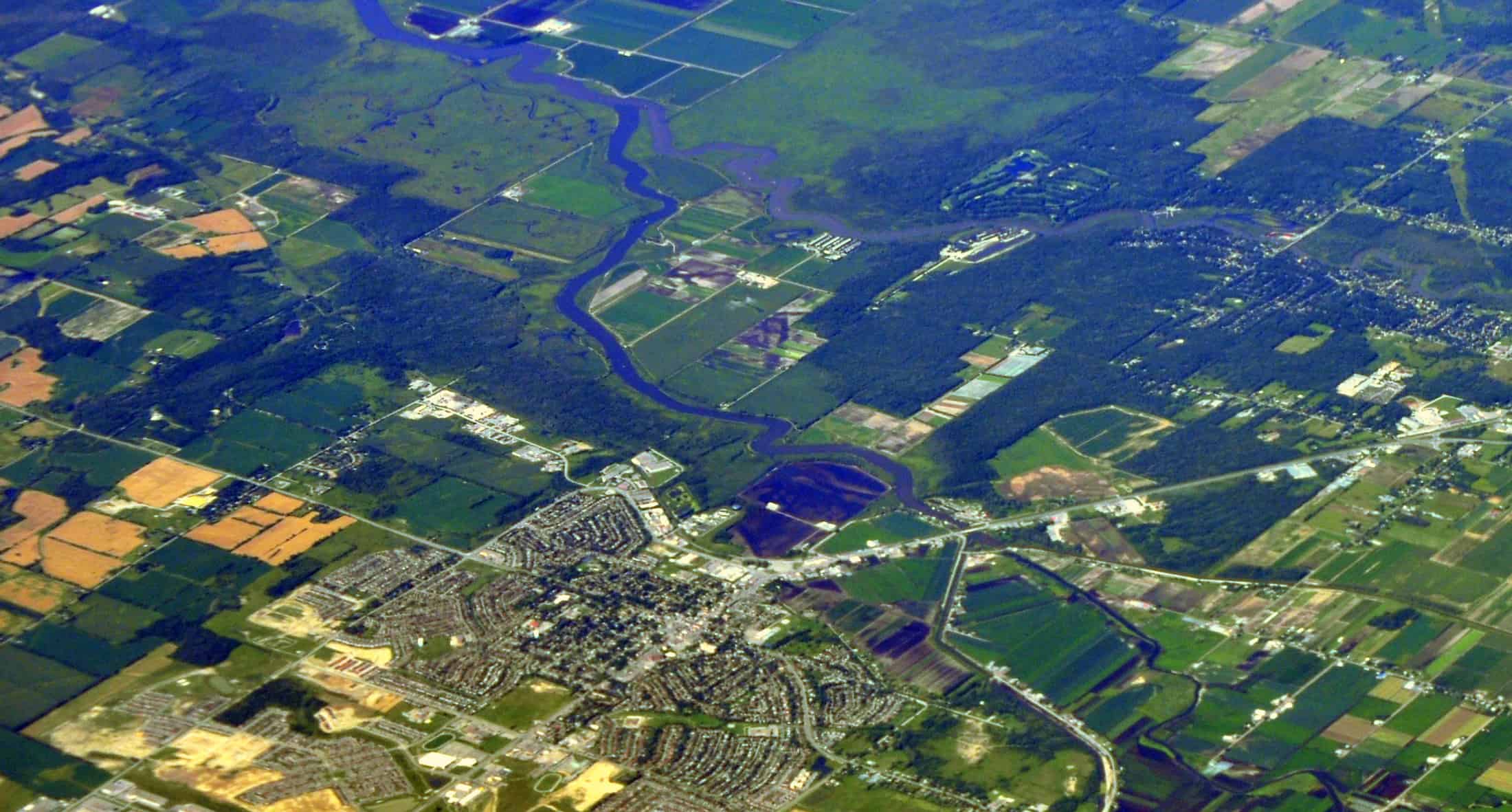
Holland Marsh over Bradford - aerial view

The proposed Highway 413 will facilitate massive, destructive urban sprawl unless it is stopped.

There is increasing opposition from many individuals and organizations who are gravely concerned about the impacts of this proposed highway. Those concerned include public health, municipal, business, agricultural, environmental and community groups.

Highway 413 alone would be devastating. It would slice through the Greenbelt and destroy over 800 hectares of class 1 and 2 farmland, impact 220 wetlands covering 130 hectares, impact or remove 680 hectares of wildlife habitat including forest, wetland and meadows and create crossings of 85 rivers and streams – including the Humber and Credit River Valleys. Over 1000 hectares of land identified as important for wildlife movement will be removed or intersected.*

Groups launch lawsuit over feds refusal to do Environmental Impact study of Bradford Bypass

Bradford Bypass sign

On March 14, 2022, seven environmental and community organizations filed a lawsuit in Federal Court against the federal Minister of Environment and Climate Change, Steven Guilbeault. The lawsuit challenges the Minister’s failure to designate the Bradford Bypass highway project for a federal impact assessment.

The organizations previously made two requests for a federal impact assessment on the proposed Bradford Bypass (or Holland Marsh Highway), which would cut through the Greenbelt, the Holland Marsh provincially significant wetland, and the headwater rivers at the south end of the Lake Simcoe watershed. The federal government turned down both requests. The lawsuit challenges the government’s decision to turn down the second request.

Training Organizers to Build Movements

Olivia Chow Webinar - people

Olivia Chow, of the Institute for Change Leaders

A series of two webinars:

March 31, 1-2 p.m. and April 7, 1-2 p.m.
Series Cost: $50

Do you have a desire to step up and fight for a better, fairer, more just world?
 
The Institute for Change Leaders (ICL) teaches the skills that organizers, activists and campaigners need to win social change. The core curriculum comes from Marshall Ganz, a Harvard professor who codified the relationship-building organizational framework they teach. The fundamentals of community organizing focuses on five key leadership practices: telling stories, building relationships, structuring teams, strategizing, and acting.

Ontario Task Force on Housing Affordability – Letter from FCA

The Federation of Citizens Associations (FCA), representing 74 community groups in the City of Ottawa, and its members are often involved in planning matters, as it affects the neighbourhoods our residents live in and the taxes they pay. These are not trivial matters. Planning decisions have quality-of-life implications for our residents as well as for practical issues such as parking, parkland, municipal services, and taxes. While we can appreciate the goal of the Ontario Task Force on Housing Affordability to facilitate the development of affordable housing in Ontario, we have serious concerns regarding some of the 55 recommendations that the Task Force makes.

Specifically, our concerns are:

The section of the Task Force report Focus on getting more homes built proposes development “as of right” of residential housing up to 4 units and up to 4 storeys on a single residential lot (rec. #3) and multi-tenant housing province-wide (rec. #6). These recommendations fail to recognize that such open-ended language ignores the need to balance such development with appropriate infrastructure, including not only hard services but greenspace, tree canopy, access to services, etc. The object should be to build communities, not just houses. As the City of Ottawa in its response to the Task Force recommendations rightly notes, permitting 4 dwellings units and up to 4 storeys on every residential lot may be appropriate in some instances but not in others. Simply put: one size does not fit all. The FCA opposes these recommendations.

Boards and Bylaws

ONCA webinar

Special Webinar on ONCA Changes – Feb. 16, 2022

Ontario’s Not-for-profit Corporations Act (ONCA) was proclaimed on October 19th, 2021. Nonprofits have 3 years to update their bylaws and letters patent to comply with ONCA. This webinar, featuring Benjamin Miller from CLEO, was hosted by the Federation of North Toronto Residents’ Associations (FoNTRA) in conjunction with the Federation of Urban Neighbourhoods. It will walk you through what is new in the ONCA, steps nonprofits need to take to transition to the ONCA, and how CLEO’s free resources can help you create ONCA compliant bylaws from scratch or adapt your current bylaws.


Ontario Housing Affordability Task Force

Markham suburbs

The Ontario government struck this task force in December 2021, and the final Ontario Housing Affordability Task Force Report was delivered to the Minister of Housing at the end of January 2022. The members of the Task Force and their biographies are detailed in Appendix A of the Report.

A goal was set for Ontario to build 1.5 million homes over the next 10 years to address the supply shortage.

The Report details 55 Recommendations: